01
gluten-free-lifestyle
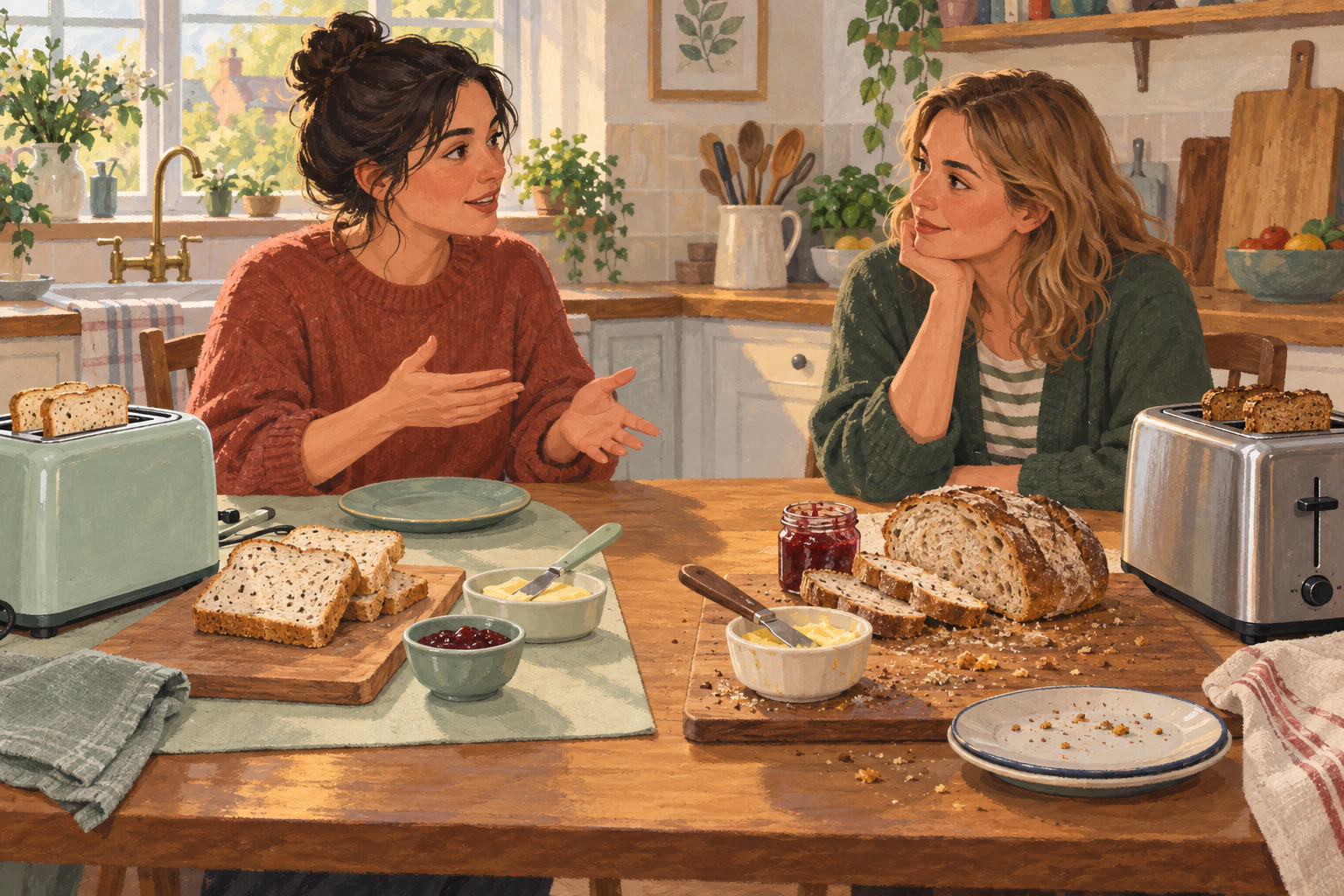
Explaining your coeliac needs shouldn't mean apologising for every meal. Here are the words I'd suggest for making plans, explaining crumbs and handling an awkward reply.
Read the article ↗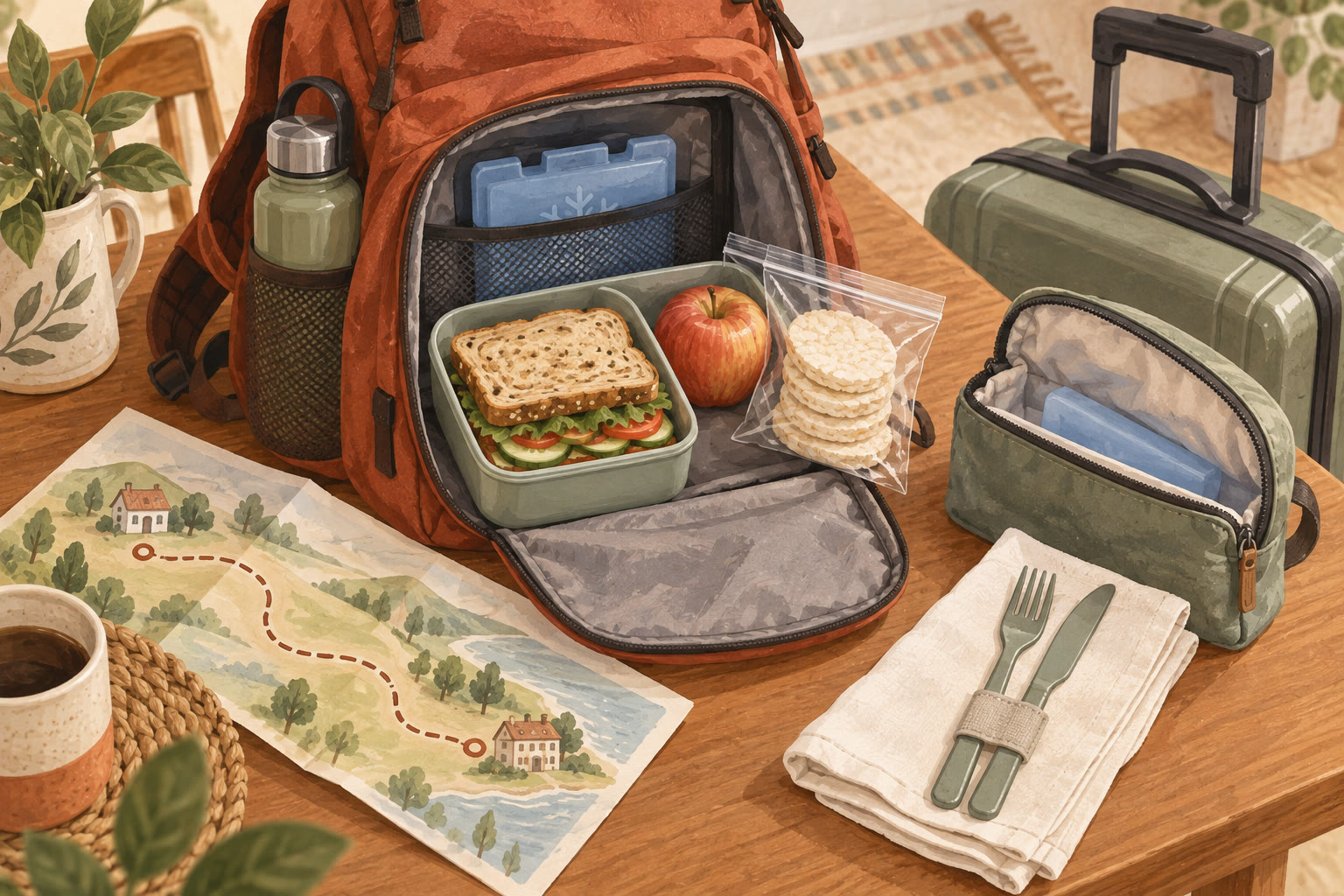
02
gluten-free-lifestyle
A little food planning can make the journey feel less uncertain. Here’s how I’d organise gluten-free travel food, questions for accommodation and a manageable backup plan.
Read the article ↗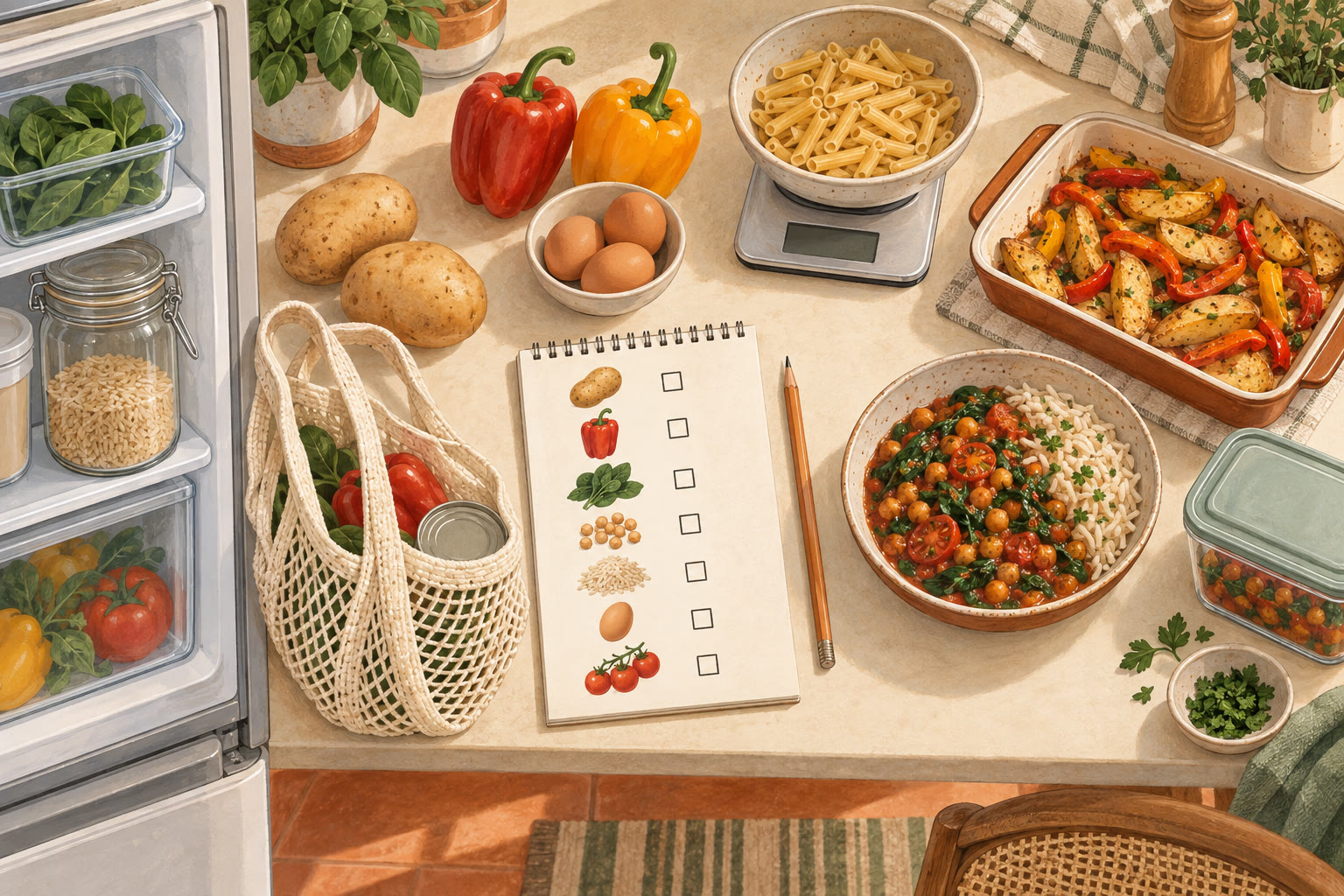
03
gluten-free-lifestyle
A useful shopping list starts with what you already have. Here’s how I’d plan gluten-free meals, give spare ingredients a purpose and leave room for the week to change.
Read the article ↗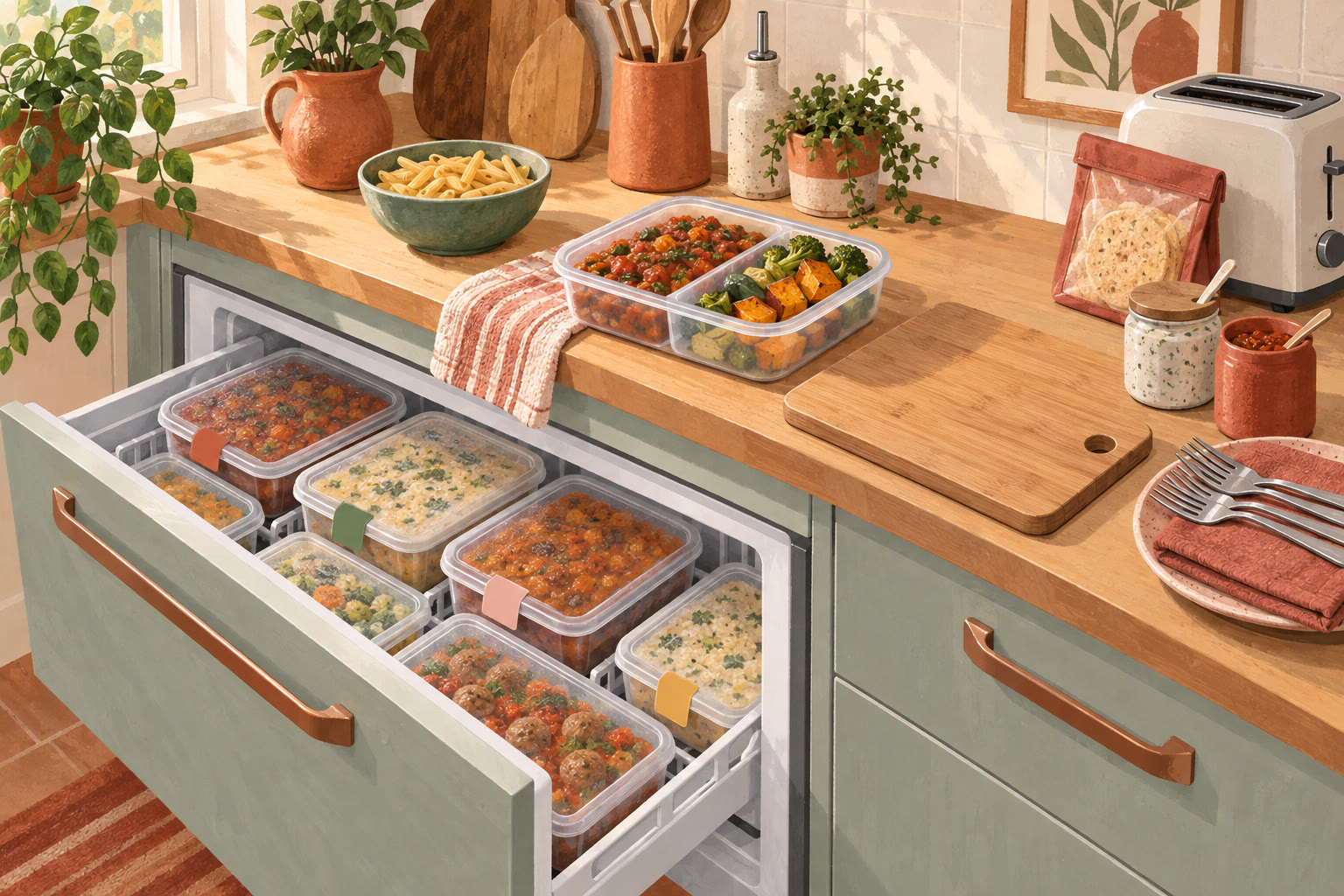
04
gluten-free-lifestyle
A few clearly labelled dinners can take some of the thinking out of a busy evening. Here’s how I’d plan a useful gluten-free freezer supply, with attention to preparation, portions and what you’ll actually eat.
Read the article ↗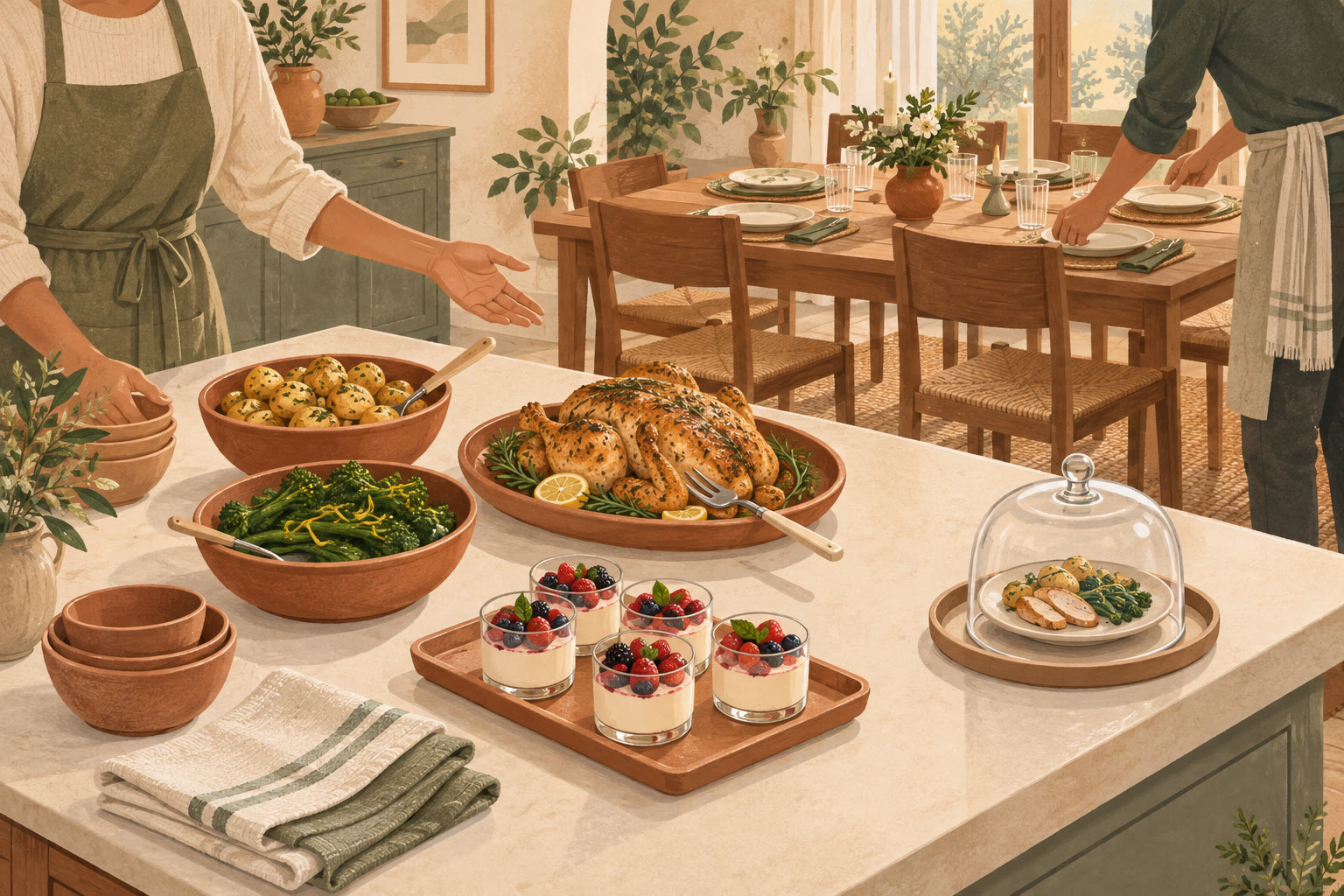
05
gluten-free-lifestyle
A family meal should leave room for conversation, pudding and somewhere to put your coat. Here’s how I’d plan a gluten-free gathering with clear ingredients, sensible serving arrangements and less last-minute fuss.
Read the article ↗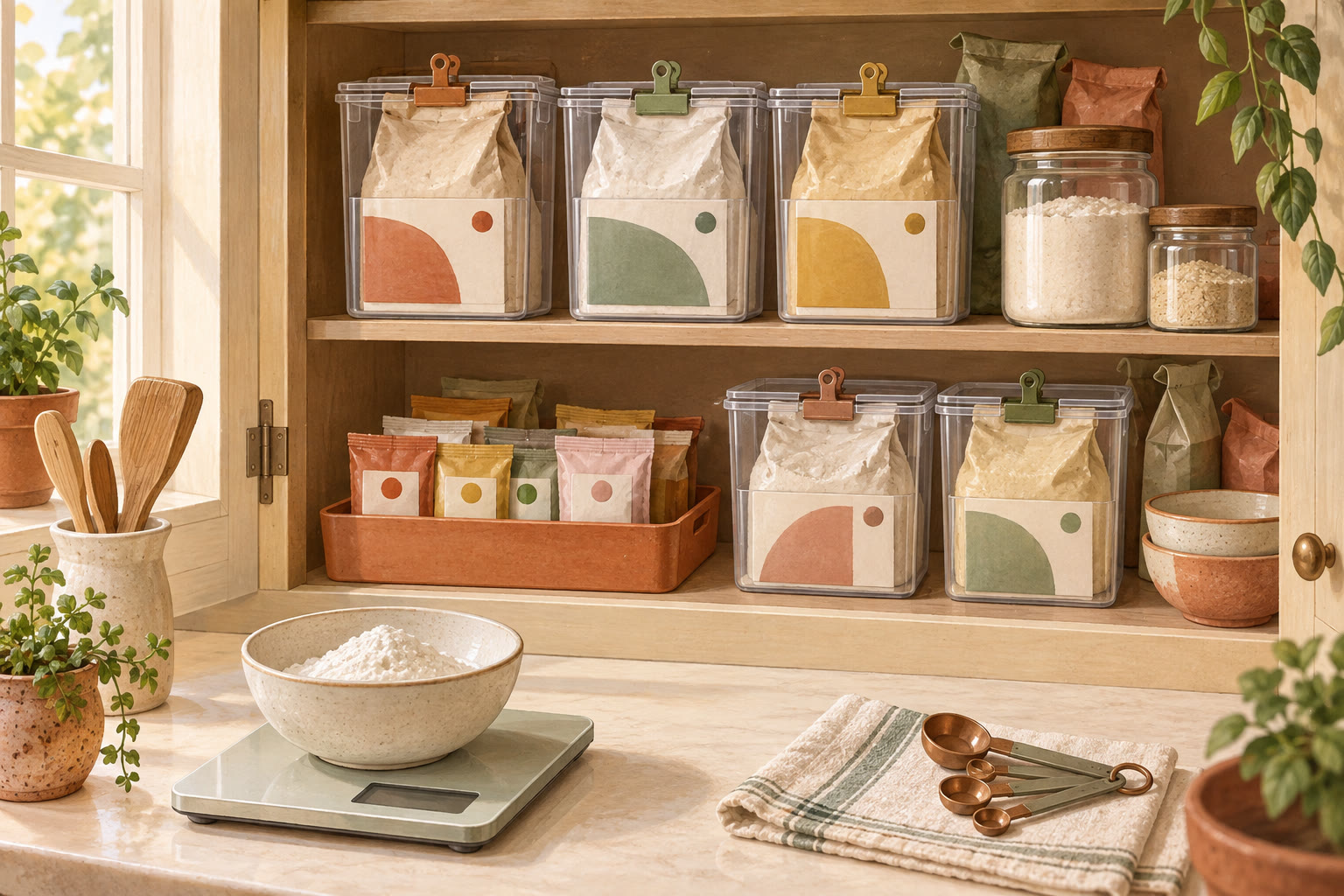
06
gluten-free-lifestyle
A cupboard full of half-used flour bags can make a simple bake feel like an excavation. Here’s how I’d organise gluten-free baking ingredients so the labels, quantities and things to use next are easy to find.
Read the article ↗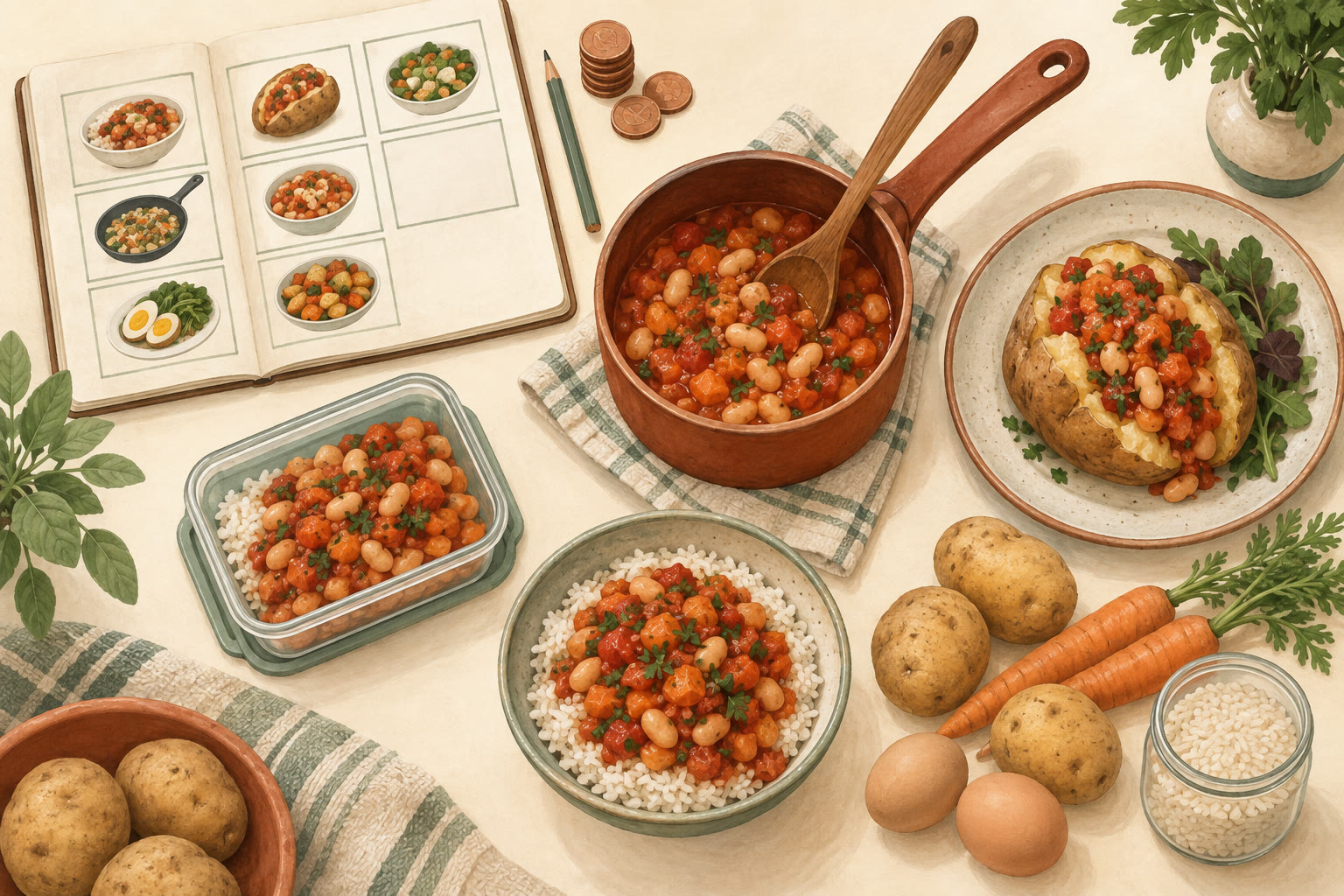
07
gluten-free-lifestyle
A gluten-free meal plan needs to fit your food budget and the evenings when you have very little energy left. Here’s how I’d plan familiar dinners, make ingredients work harder and leave room for useful shortcuts.
Read the article ↗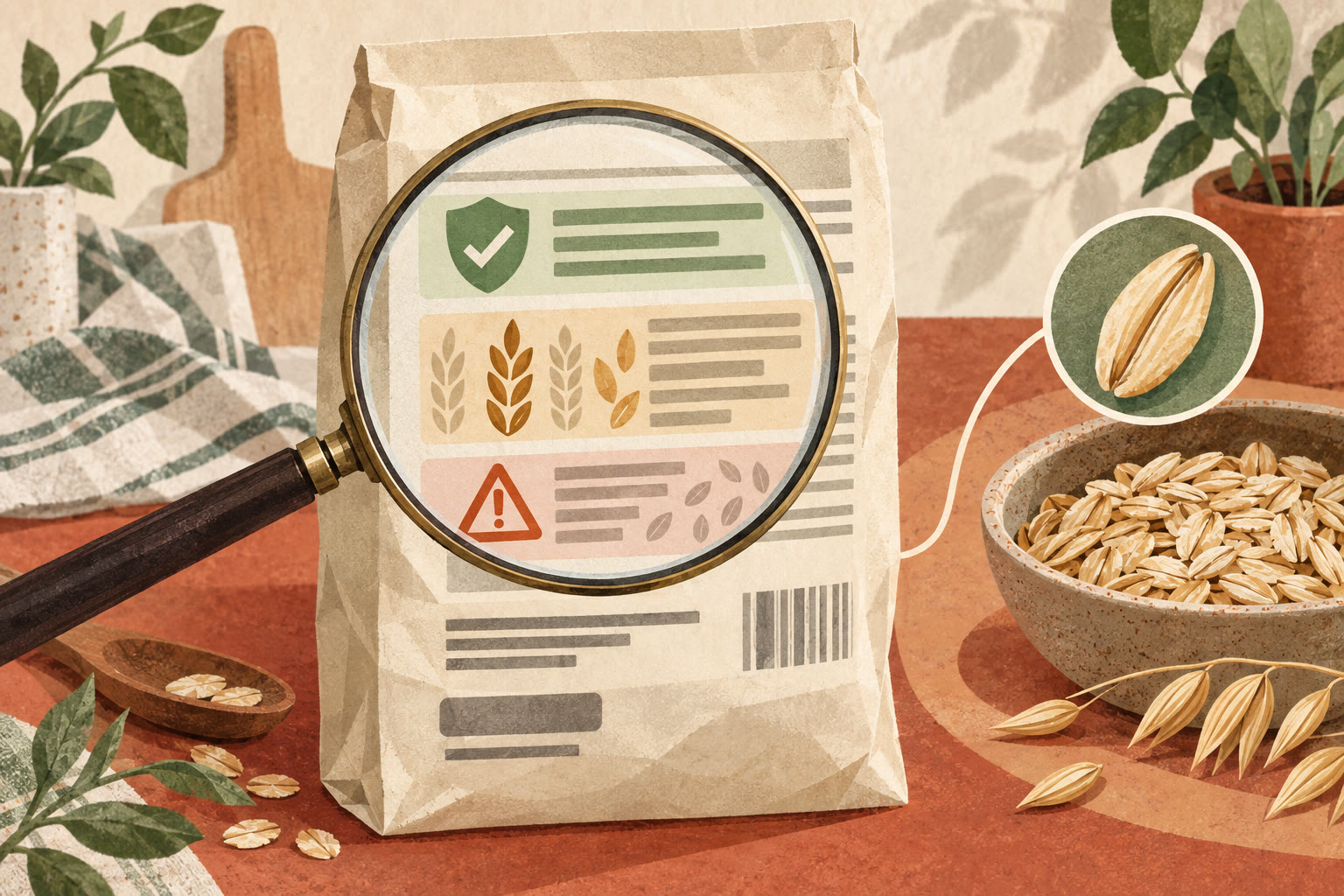
08
gluten-free-lifestyle
I explain what a gluten-free label means, how to read allergen warnings and why oats need a closer look, using Coeliac UK and Food Standards Agency guidance.
Read the article ↗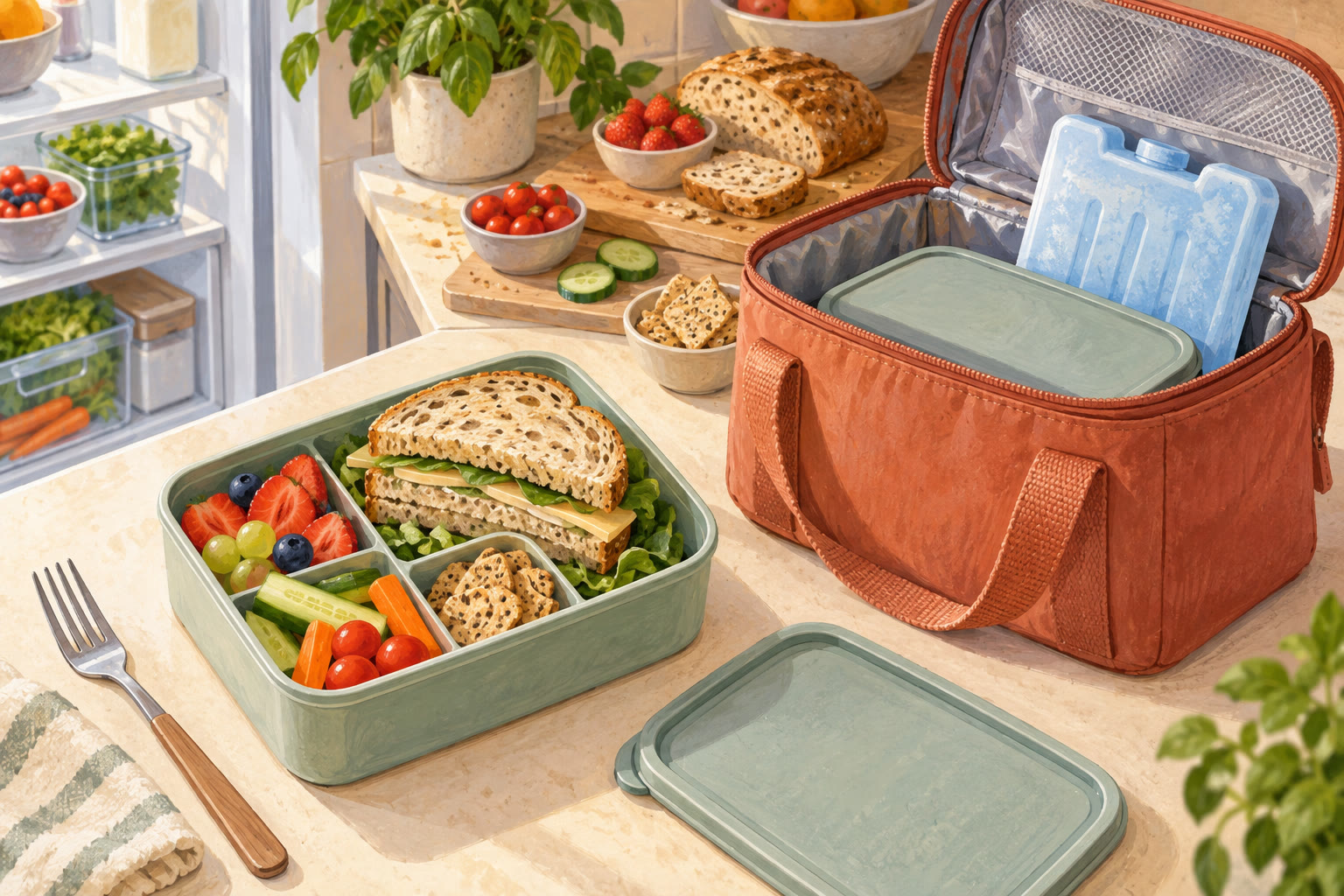
09
gluten-free-lifestyle
A packed lunch shouldn’t need a fresh idea every morning. I’d start with a few familiar combinations, a shorter packing routine and a clear plan for keeping chilled food cold.
Read the article ↗
10
gluten-free-lifestyle
A gluten-free menu is a starting point for a conversation. Here are the questions I’d ask before booking, when ordering and when the food arrives.
Read the article ↗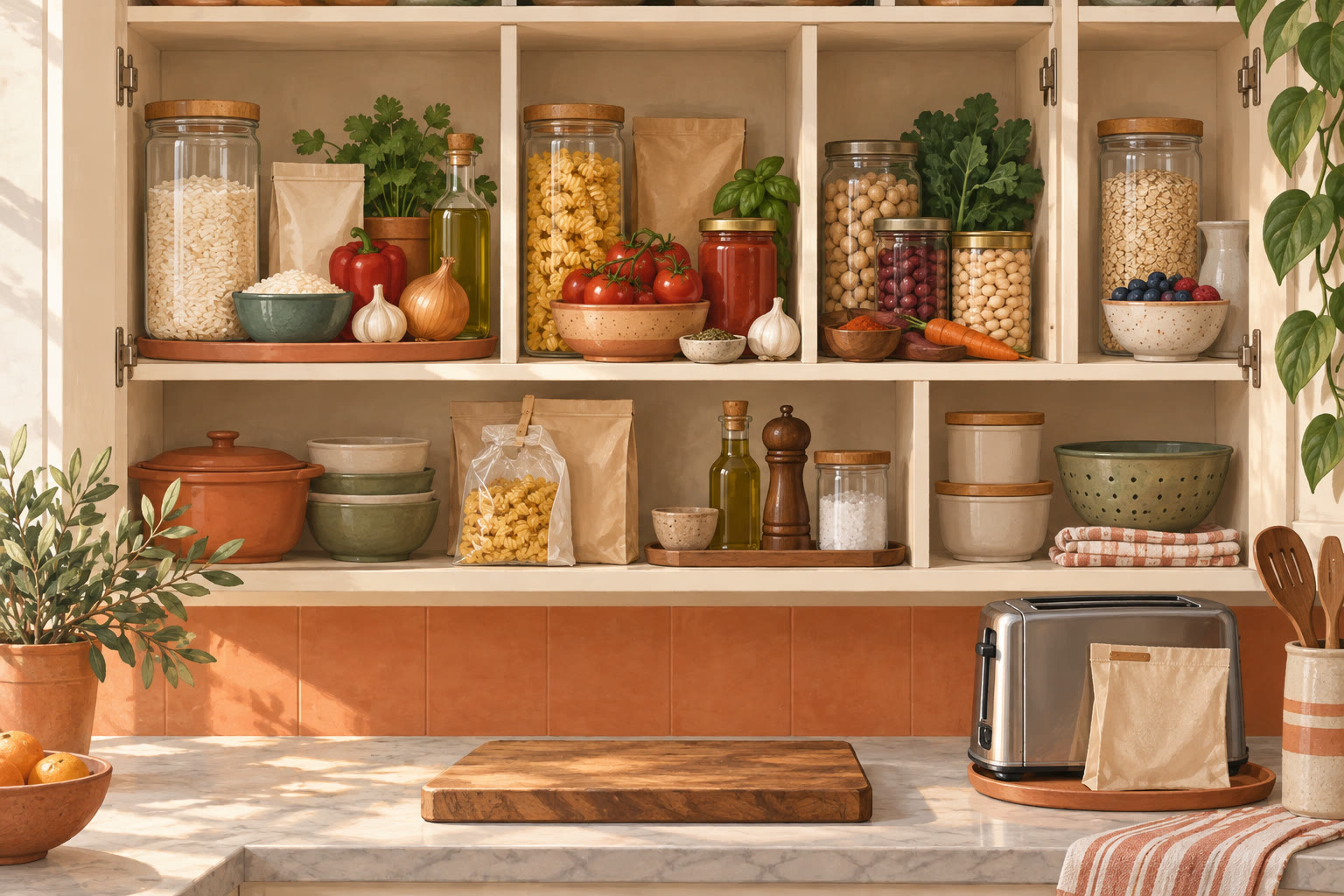
11
gluten-free-lifestyle
A useful gluten-free cupboard starts with meals you want to eat. Here’s how I’d organise the basics, keep label checks manageable and make shared shelves easier to use.
Read the article ↗12
gluten-free-lifestyle
Once you've tested a gluten-free recipe, the next job is filing it so you can find it, trust it and cook from it without re-reading every note. Here's how to organise a notebook that works for cooking, not just for recording.
Read the article ↗
13
gluten-free-lifestyle
I’d start with the butter tub, then work through the rest of breakfast. Here’s how I’d turn shared-kitchen guidance into clear arrangements everyone can follow.
Read the article ↗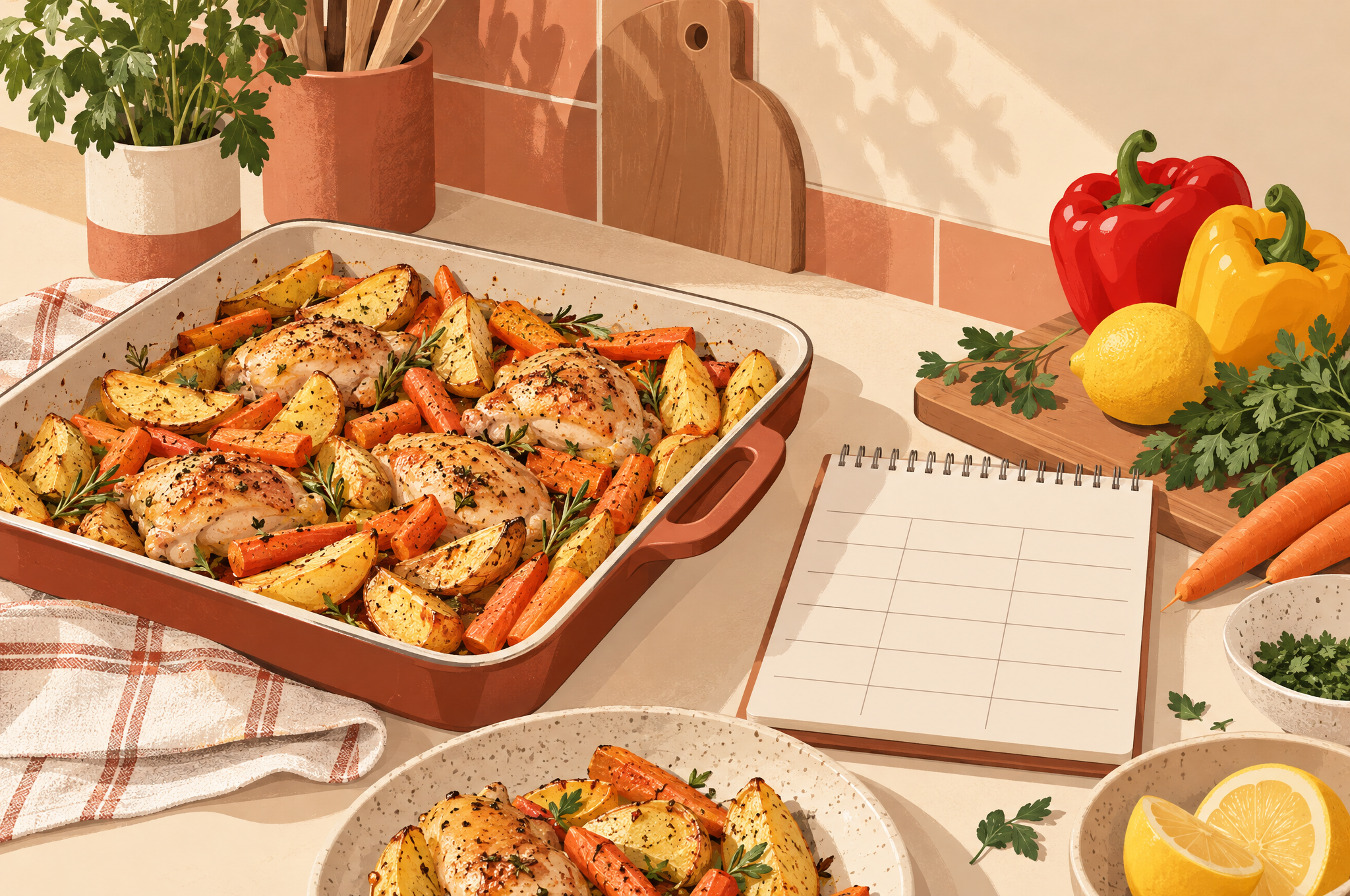
14
gluten-free-lifestyle
A guide to building a single dinner that starts the same for everyone, then branches safely at one point — rather than cooking two separate meals from scratch.
Read the article ↗
05
Everyday life
Decide what “easy” means in your kitchen before the evening when you need it.
Read the article ↗
06
In the kitchen
Flour brand, pan size and what happened after cooling. Small notes make the next attempt more useful.
Read the article ↗
03
Shopping
Organise the next few meals before you buy a cupboard full of unfamiliar substitutes.
Read the article ↗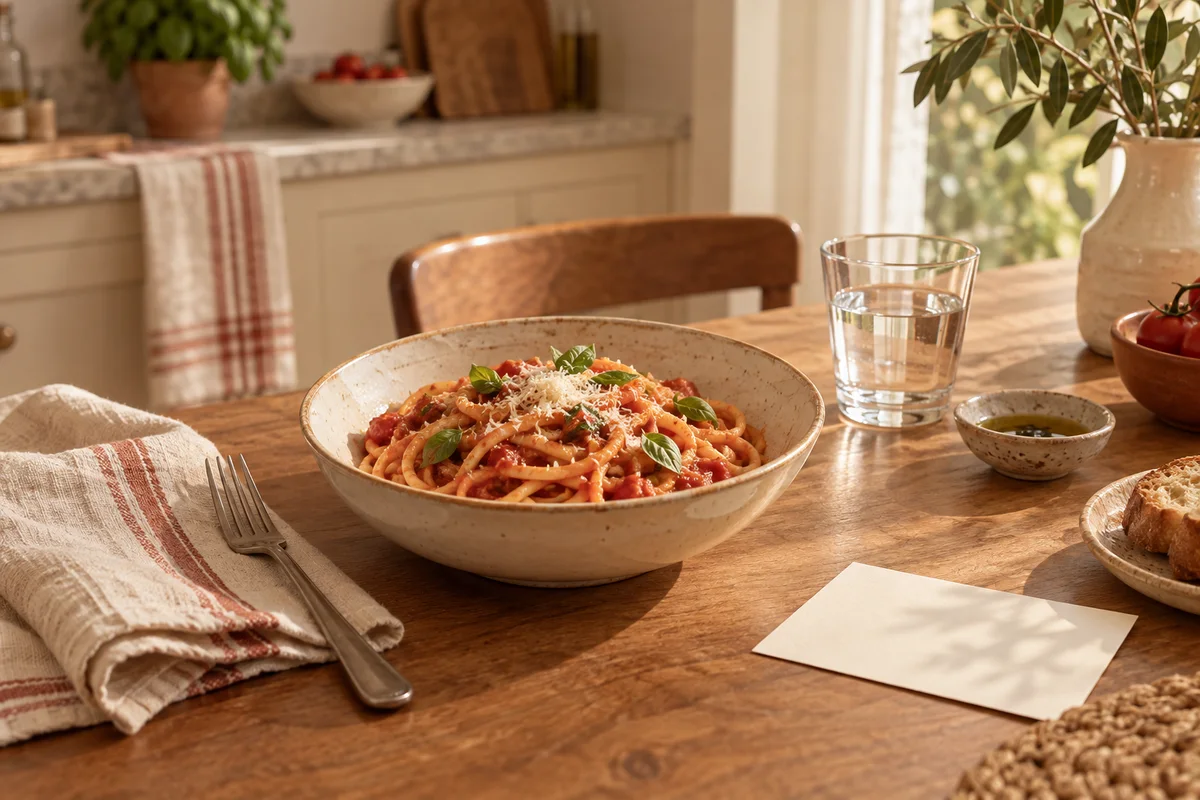
01
Start here
A manageable place to begin: dinner, a short shopping list and the questions you want answered.
Read the article ↗
